
Describe the property
Send the location, symptoms, equipment and access details. State whether the work is a repair, replacement or planned project.
Need plumbing help in Leamington? Tell us about the leak, blocked drain, fixture or water heater. A responding provider will confirm coverage and availability before booking.
Get A Free QuoteCompare tank and tankless capacity, fuel, venting, and seasonal shutdown needs. Share the existing unit’s rating plate and household demand to clarify replacement scope.
View scopeCabling, hydro-jetting, and camera inspection suit different line conditions. Record affected fixtures and repeat blockage history, and disclose septic layout where relevant.
View scopeAssess visible pipe materials, past leaks, and concealed routes before comparing PEX or copper proposals. Confirm testing, approvals, and seasonal drain-down details where applicable.
View scopeCoordinate faucets, sinks, toilets, and showers with rough-ins and renovation plans. Compare product dimensions, service access, and care requirements before selecting fixtures.
View scopeAcoustic listening, pressure tests, and thermal imaging provide different evidence. Document moisture patterns and buried line routes to help define the investigation.
View scopeCompare pump capacity, backup power, valve placement, and discharge routing against observed water entry and the building’s drainage arrangement.
View scopeUse water test results to compare softeners, iron or sulphur treatment, and UV systems. Check equipment space, maintenance, and replacement requirements.
View scopeWater treatment should follow a water test and a clear understanding of the concern, rather than a general claim about local supply. If the property uses a private well, collect a recent laboratory report and describe staining, odour, or other observed issues. For municipal water, identify the specific scale or taste concern and ask which test or source information is relevant. Compare softeners, iron or sulphur treatment, and UV equipment only where the results support them, and check installation space and maintenance needs.
Compare tank and tankless capacity, fuel, venting, and seasonal shutdown needs. Share the existing unit’s rating plate and household demand to clarify replacement scope. Cabling, hydro-jetting, and camera inspection suit different line conditions. Record affected fixtures and repeat blockage history, and disclose septic layout where relevant. Assess visible pipe materials, past leaks, and concealed routes before comparing PEX or copper proposals. Confirm testing, approvals, and seasonal drain-down details where applicable.
Coordinate faucets, sinks, toilets, and showers with rough-ins and renovation plans. Compare product dimensions, service access, and care requirements before selecting fixtures. Acoustic listening, pressure tests, and thermal imaging provide different evidence. Document moisture patterns and buried line routes to help define the investigation.
Compare pump capacity, backup power, valve placement, and discharge routing against observed water entry and the building’s drainage arrangement. Use water test results to compare softeners, iron or sulphur treatment, and UV systems. Check equipment space, maintenance, and replacement requirements.
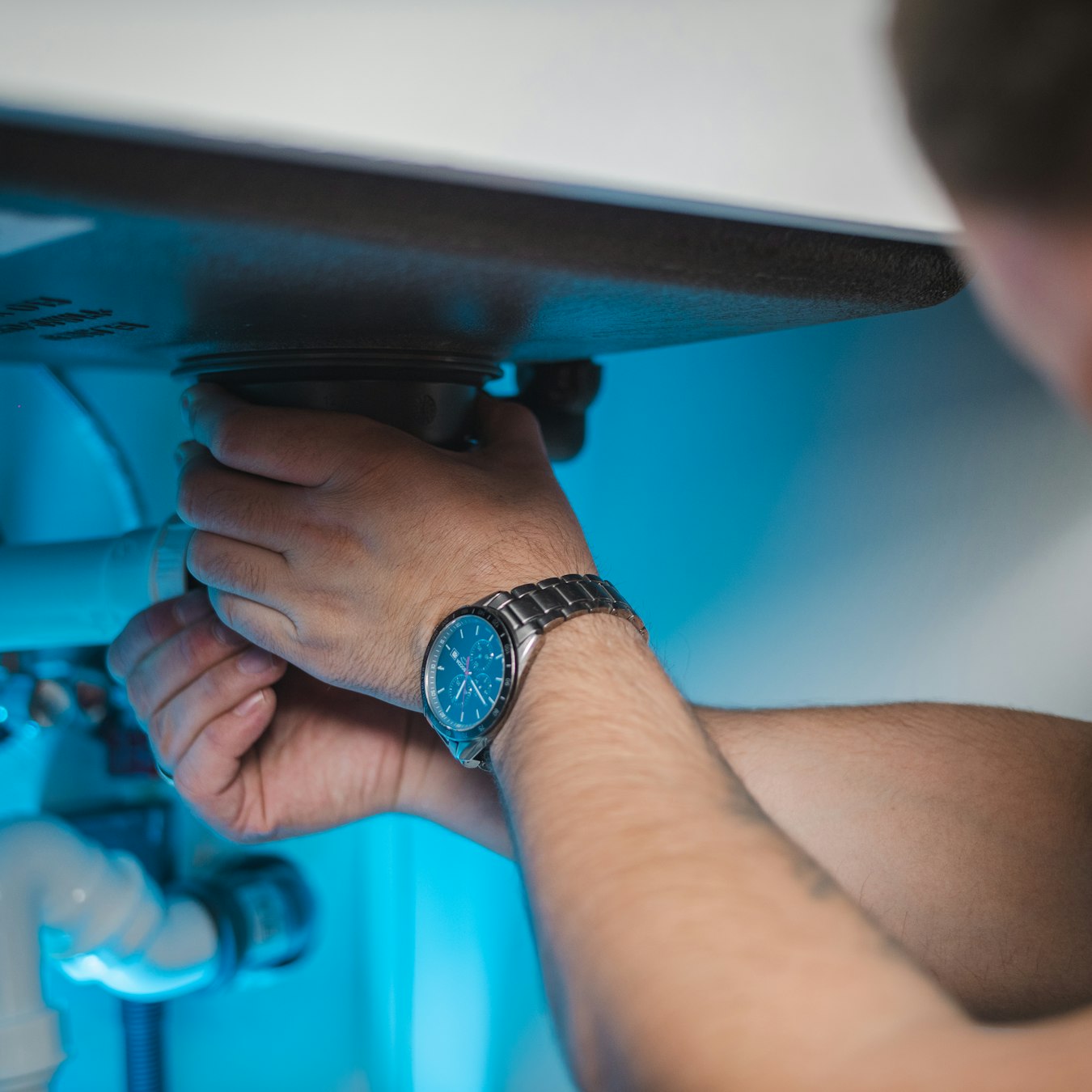
A recurring blockage can have a different cause from a single slow fixture, so identify where the symptoms occur before choosing a cleaning method. Note whether one sink, several fixtures, or the main line is affected, and photograph any accessible cleanout or visible pipe damage. If a line has repeated problems, ask whether camera inspection is appropriate before further cleaning. For a property with a septic system, confirm the drain route and system layout so proposed work can be considered in relation to the whole setup.
Explore this serviceSend the location, symptoms, equipment and access details. State whether the work is a repair, replacement or planned project.
The request is reviewed so the responding provider can clarify the work, property access and service coverage.
Agree the provider identity, qualifications, written scope, pricing and visit window directly. Sending a form does not confirm an appointment.
If a cottage or other property is shut down seasonally, identify the shutoffs, low points, and fixtures that need draining before winter. Ask whether the proposed repipe includes accessible isolation points and drain locations, and how those features suit the building layout. This can affect routing and fixture connections; confirm the intended winterization steps rather than assuming every system drains the same way.
If the property uses septic, photograph available access points and note the known direction and route of the building drain. Ask how the proposed cleaning method relates to the pipe leading toward the septic system and which sections will be worked on. This helps clarify the scope and avoids treating a fixture blockage as if the entire system were inspected.
If a cottage, bunkhouse, or other building has been left unheated or unused, list the shutoffs, drained fixtures, and any areas where water was left in the lines. Photograph visible connections before reopening and note when pressure is restored. Ask for vulnerable sections to be checked systematically; a seasonal history can guide inspection, but it does not establish that a freeze break has occurred.
For a rental or other frequently used space, compare replacement parts, valve access, cleaning requirements, and the manufacturer’s service information for each fixture. Ask how the selected toilet, faucet, and shutoffs fit the existing rough-ins. A product’s intended use and access for future maintenance can change both the equipment choice and installation scope; do not rely on a generic durability label alone.
List the fixtures likely to run together, such as showers, laundry, and kitchen taps, and note how many people use them. A household with overlapping demand may need a different capacity or recovery rate than one with occasional use. Share those details when comparing tanks and tankless models so the selection reflects the property rather than an assumption based on its address.
Use the form to describe the property, the symptoms and the work requested. For Kingsville, Essex, Wheatley, Harrow, include your postal code so local coverage can be checked.
If your location is not listed, include its postal code with the requested work. Coverage, travel arrangements and scheduling must be confirmed directly with the provider.